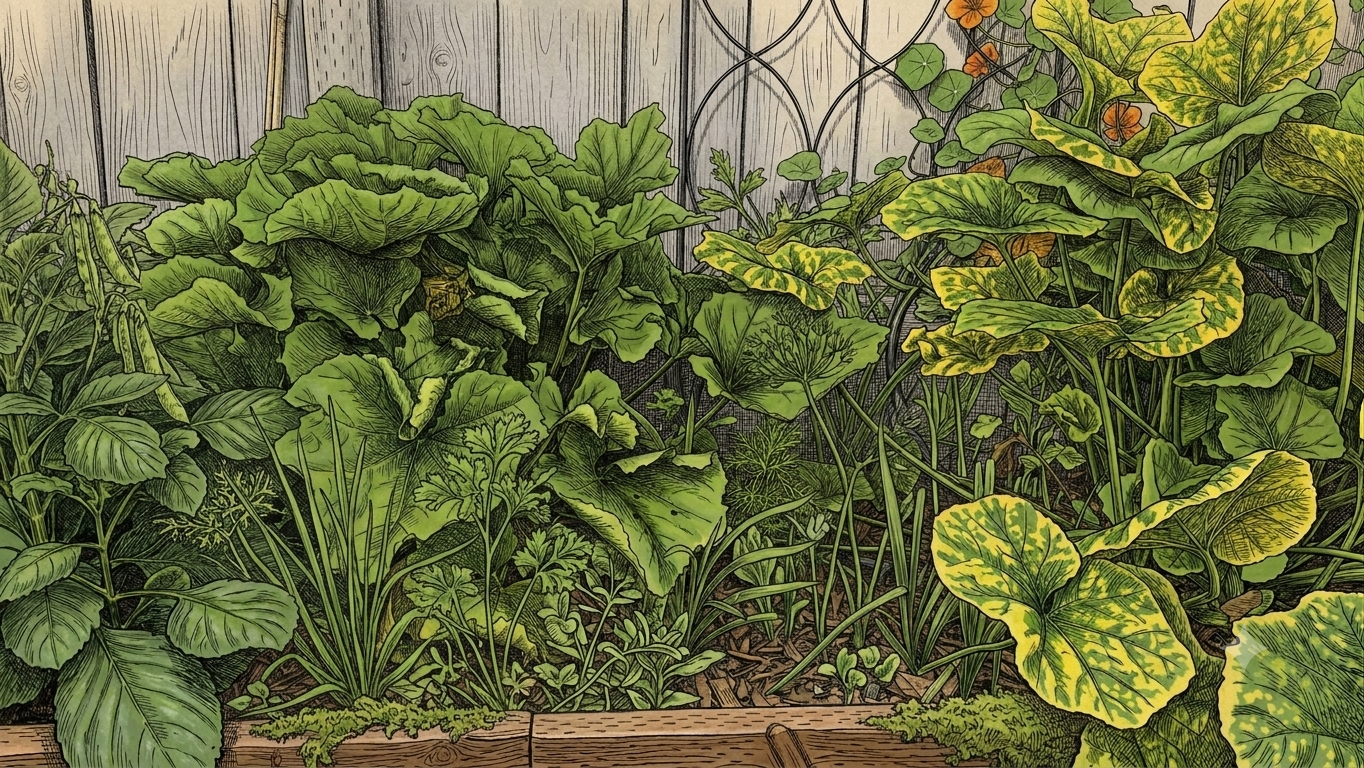
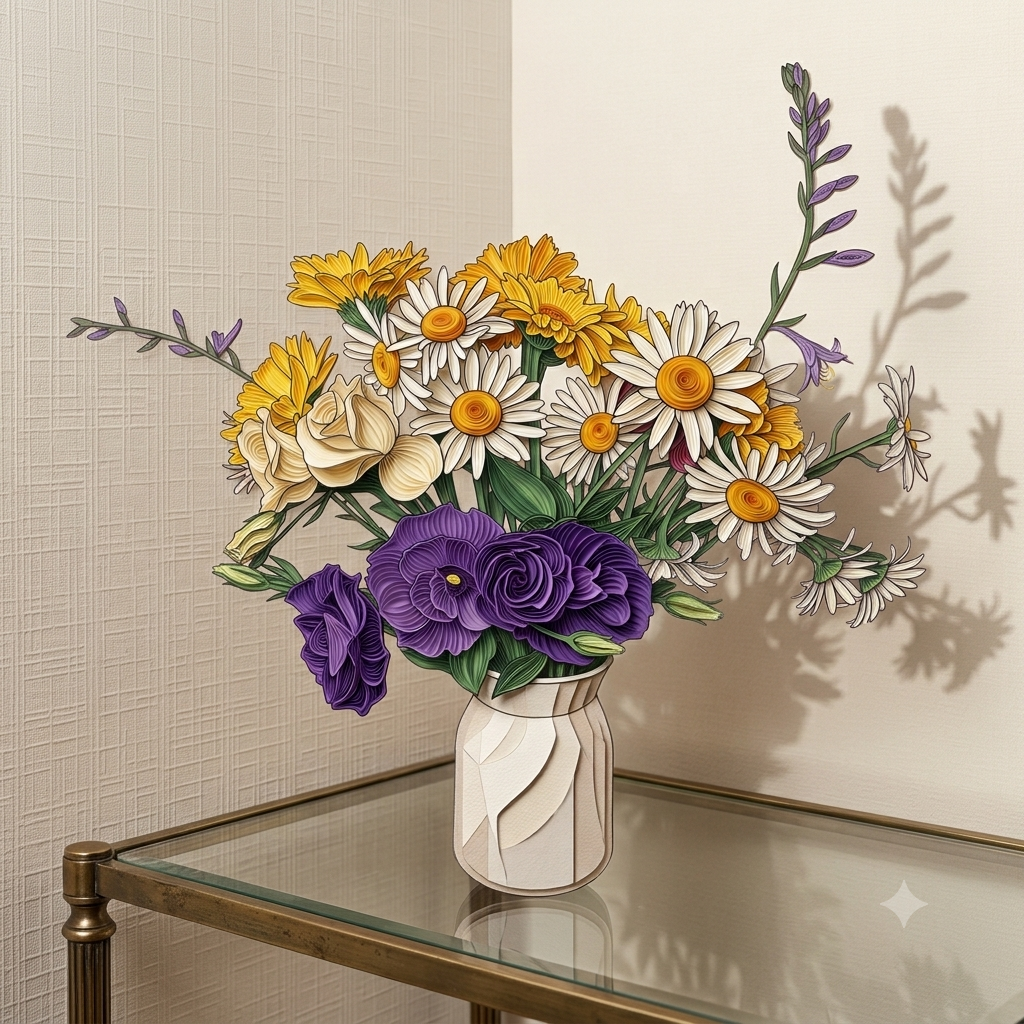
Last week I brought a bouquet from my garden into the office. It collected compliments all the way from the lobby to my desk. It took forty minutes to make, and it represents maybe two percent of the garden.
The garden that produced it is, at this exact moment, staked in three places, netted in one, half cut back, and holding a plant I am probably going to have to dig out. Nobody has ever complimented that.
This is the most useful thing I know about building products: the arranged moment and the living system are not the same object. A bouquet can be made in an afternoon. A garden cannot be made at all — it can only be kept, week after week, through weather nobody consulted you about.
The distinction has three positions, not two. A prototype is a bouquet with nothing behind it — the flowers are real, the arrangement is real, but there is no garden, nothing that can produce a second one. A launch is a bouquet cut from a real garden — also an arranged moment, also staged, but something living stands behind it and can cut another next week. A product is the garden itself. In a demo, all three look identical, because a demo is an arrangement regardless of what stands behind it. The difference shows up only when somebody tries to live with what you built, which is always after the applause.
No Good for a Vase
The most necessary decision in my garden is one a room would never approve.
To get a Dahlia or a Chrysanthemum that performs all season, you take a healthy, thriving young plant and cut its growing tip off. For weeks it looks shorter and broken — worse than the day you pinched it, worse than its unpinched neighbors. Then the energy redirects into the side nodes, and you get a bushy, sturdy plant that produces for months and stands on its own stems.
Skip the pinch and you get the opposite. The plant shoots up fast. For the first stretch of the season it is the tallest, most impressive thing in the bed. Then it stays what it is: leggy, sparse, a few flowers on stems too weak to hold them, no good for a vase.
Rush to market and you ship the unpinched plant — bouquet thinking on a deadline, everything spent on the reveal. Everyone knows this. Nobody argues for rushing. Which is why the interesting problem is not the decision — it is getting the organization to accept it.
Because a pinch, at the moment you propose it, is indistinguishable from a delay. You are asking a room to spend more time and show less. Every argument against you is reasonable and immediate; every argument for you is deferred and hypothetical.
The only thing I have found that works is moving the conversation off schedule and onto impact. I recently had to convince a team to stop an implementation already in progress — a proposal that was genuinely cheap and fast to build. The idea was sound. The problem was that the rushed implementation would have produced a weak result, we would have measured that result, and we would have concluded the entire initiative was not worth pursuing. We would have killed a good idea with a bad test, and nobody in the room would have known that was what happened.
That is the argument that lands: not this will be better if we wait, but this is what we will wrongly believe if we do not. Framed as a delay, a pinch is a cost. Framed as a decision about what the organization is about to learn, it is a risk to the entire bet.
And name what you are cutting, explicitly, in writing. A pinch made quietly reads as slipping. A pinch made out loud — these are the stems we removed and this is what the energy goes to instead — is a decision the room made with you, which means it survives the week the results are not in yet.
Three Feet of Weeds
Rushing is the failure you can see. The other one is quieter, and I found it in my own front yard.
I was not going to do anything with my front garden. It came with the house — bushes, Agapanthus, a Japanese Maple — and it seemed content to take care of itself. I checked it off and moved on.
Then came a rainy spring. By the time I really looked again, the weeds were three feet tall and you could not walk through it. Passion fruit had come over the fence from the neighbor's yard and established what I can only describe as a subsidiary, with headcount and its own growth strategy, across the whole west side.
Nothing I had inherited was failing. I had not stopped tending it — I had never started, because I had decided it was finished. That is the decision products die of, and "low-maintenance" becomes "no-maintenance" without anyone announcing it.
But weeds are the cheap version of the problem. The expensive version is that your users are also growing in your absence. By year two they have tried the product, hit its limits, and built workarounds for the parts that did not work — then built those workarounds into how they get their job done. The workaround is load-bearing now. It is not a complaint anymore; it is their process, and it is quietly setting the constraints on everything you can do next.
Which is why the bill always arrives later than the neglect, and larger. Clearing three feet of weeds is a weekend. Clearing them from a bed left for three seasons means digging out roots that are now under everything you want to keep — and some of what you want to keep does not survive the extraction. Strategy is discussed as though the hard part is choosing the direction. The hard part is changing it after the market, the users, and their habits have arranged themselves around the previous answer.
Who Is Standing in Front of Whom
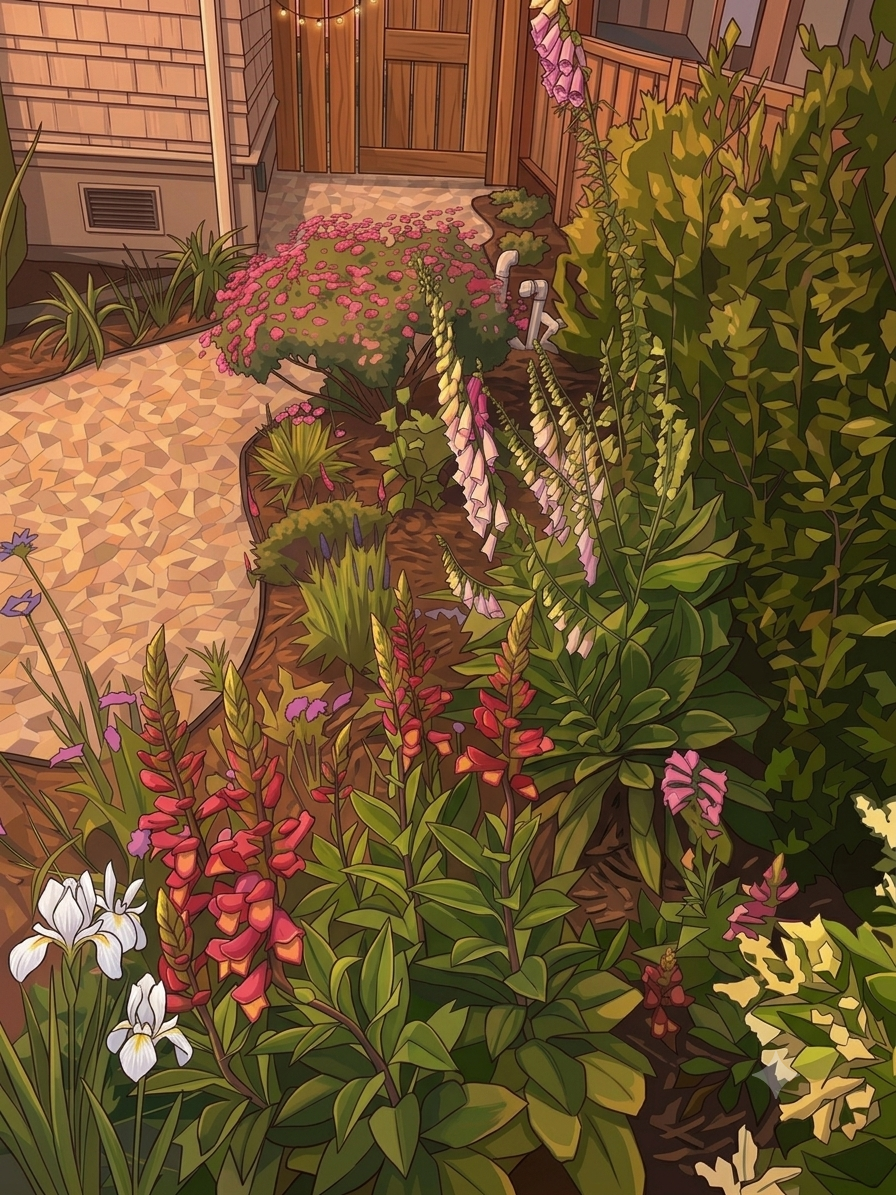
I plant my beds with as many different species as I can make work together — Dahlias, Physostegia, Foxgloves, Hostas, Gladiolus, a rose, Chrysanthemums. Partly for the look: different heights and textures give a bed depth that no quantity of one beautiful plant can. Mostly for the practical reasons. They bloom at different times, which is the only way a bed flowers from spring through December, and they fail differently — different pests, different diseases, different tolerance for a rough week — so nothing takes everything at once.
What variety does not buy is the strategy. The strategy is placement — gardeners call it companion planting, and it is mostly a question of who is standing in front of whom.
The first mistake is composition. The best teams I have worked with, across tech and consulting, were built the way a good bed is: skills and temperaments that complemented each other rather than duplicated each other. They disagreed honestly and respectfully. They were hard on the problem and easy on each other. Decisions took longer, and the decisions held — because five different vantage points had stress-tested them before anyone committed. The teams that struggled had the opposite shape: one or two people everyone deferred to for every decision and every push, and everyone else arranged around them, waiting. That is a bed with one plant in the front row. It is not a talent problem. It is a seating problem, and two years of it leaves you with a bench nobody can promote from.
The second mistake is concentration, and my dog made that argument for me.
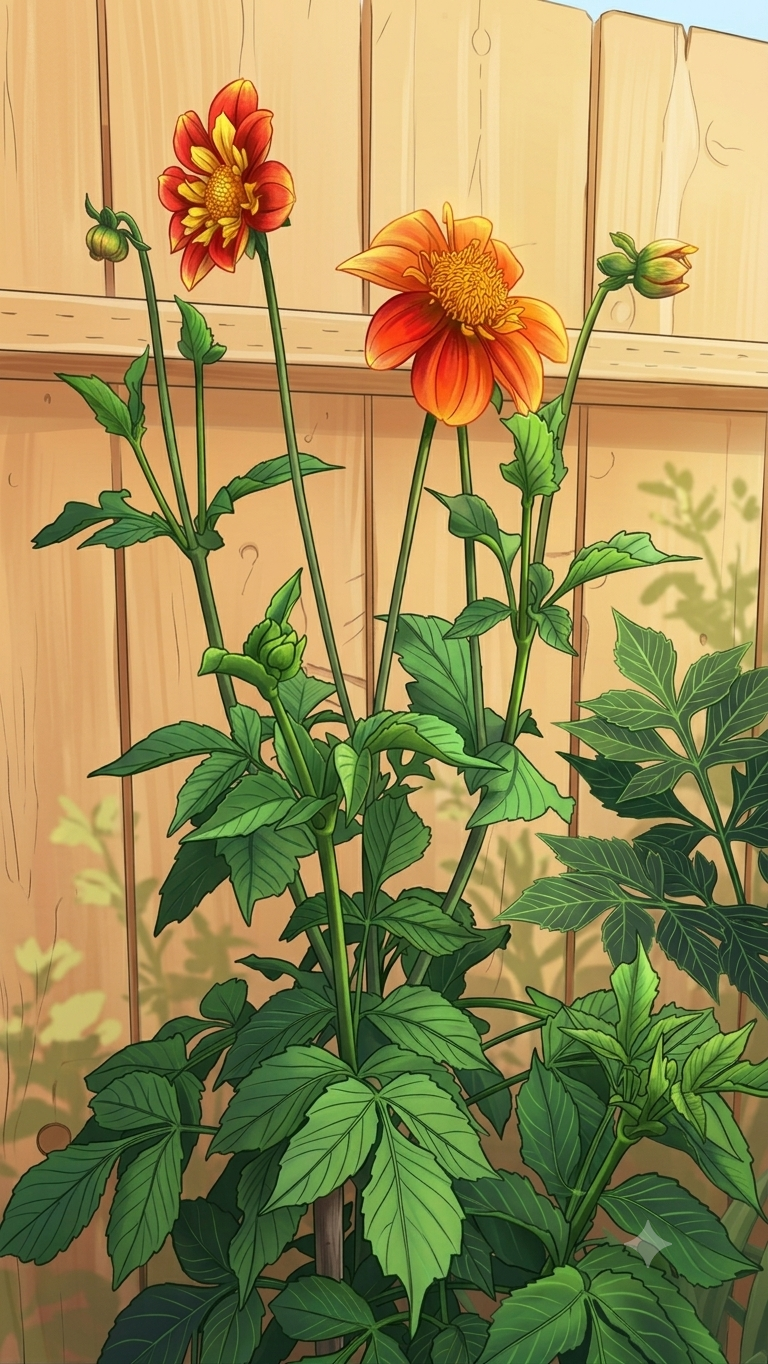
One year I finally tracked down Pooh Dahlias, a red and yellow varietal I had been hunting for. They came up, I pinched them, and by midsummer I had three bushes, each three feet tall — three perfect specimens: bouquet thinking, planted in the ground. I had planted Lisianthus nearby earlier that season. Then one afternoon my seventy-pound dog decided the side garden was a racetrack. Dahlias are fragile — hollow stems, all height and no forgiveness. He went through them once, and two of the three bushes were gone. The Lisianthus in the same path was untouched, short and tough and built low. The Agapanthus did not register the event at all.
Concentration risk does not announce itself. It looks like focus right up until the moment it looks like loss — everything rare in one bed, everything critical known by one engineer, everything staked on one bet, one sponsor, one quarter.
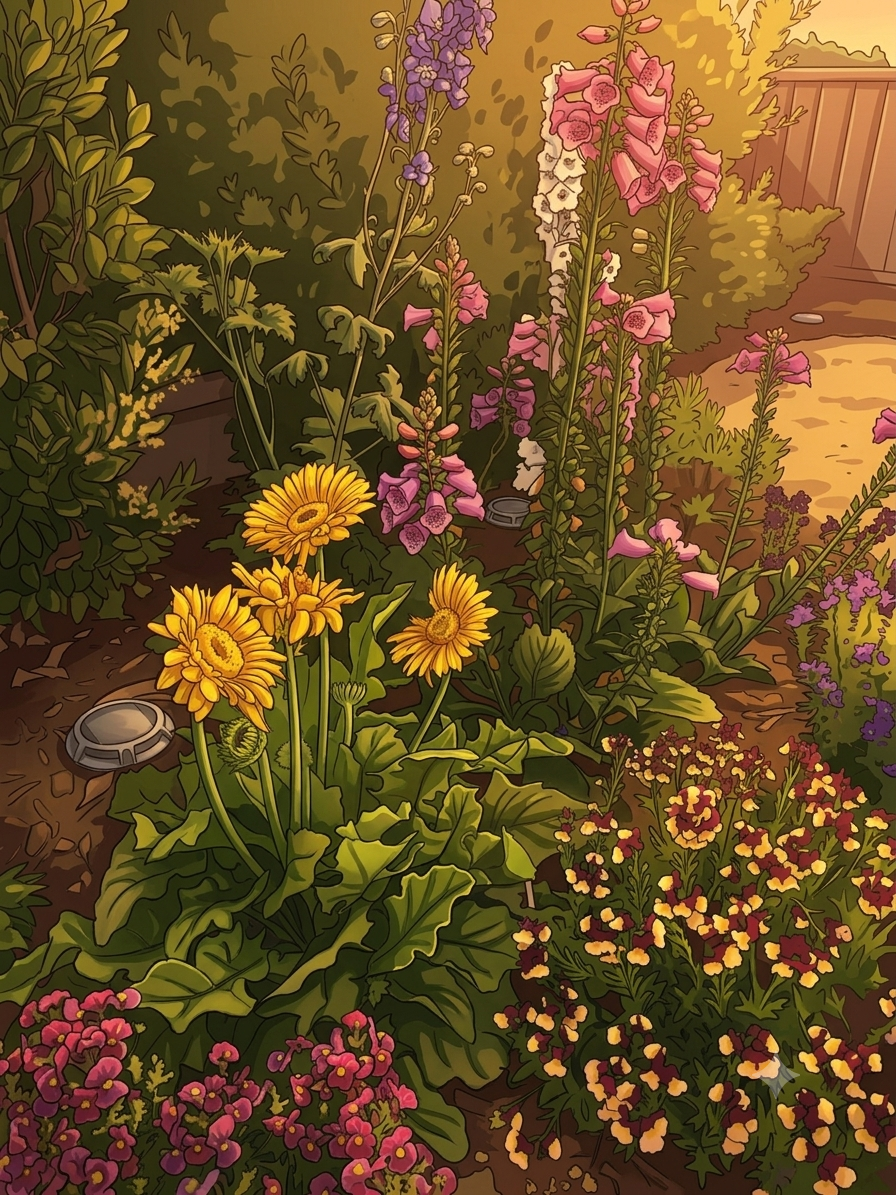
Every organization has a dog. A VP sponsor left for another company two weeks before the budget review. A pandemic closed the office and the roadmap with it. A lab in San Francisco shipped a chat product and every plan in the industry became a plan for a different world. None of these were on anyone's risk register, because a risk register is a list of things you have already thought to watch.
The dog is coming. The dog is always coming. Plant accordingly.
A Thousand Seeds, Zero Plants
I fell for Lisianthus the way you fall for anything beautiful — the layered, rose-like bloom that elevates every arrangement it enters. It also happens to be notoriously difficult — the flower that experienced growers quietly decline to attempt.
I wanted it at scale. The vision was fields of white, pink, and purple framing the garden on every side, and a volume like that is only reachable from seed — planting it out as nursery starts would take hundreds of plants and a tedium I was not signing up for. So two years ago I ordered more than a thousand seeds from two suppliers, followed every instruction, built ideal conditions, and got nothing. Not one sprout. A thousand seeds, zero plants. I have not forgiven those seeds.
The following year I bought twenty plants and put them in different corners of the garden. They lived, and they taught me the vision itself had been wrong: Lisianthus cannot be a farming flower here — it needs staking, it will not tolerate the sun on parts of my property, and it makes a poor framing plant. A thousand seeds would not have fixed any of that.
The same twenty plants also taught me the flower is worth every difficulty. On one particular side of the garden it does spectacularly: it spreads within reason, it has the longest vase life of almost anything I grow, and its colors and shapes improve every arrangement they enter. It is surprisingly prolific once it is where it belongs. I did not get the fields. I got something better calibrated — a hard bet placed correctly instead of a hard bet placed everywhere.
The first discipline is keeping it at all. Every roadmap needs a Lisianthus — something slow, expensive, and difficult enough that experienced people decline to attempt it. It does not survive a quarterly review on its own merits, because the honest status update for most of its life is that it is not blooming yet. It makes finance nervous. It will be the first thing questioned in a planning cycle, every planning cycle. Keep it anyway. A roadmap composed entirely of things that can be justified in a quarter is a roadmap a competitor can reproduce in a quarter, and when the ambitious bet lands it does not add a feature — it changes how people read everything else you have shipped.
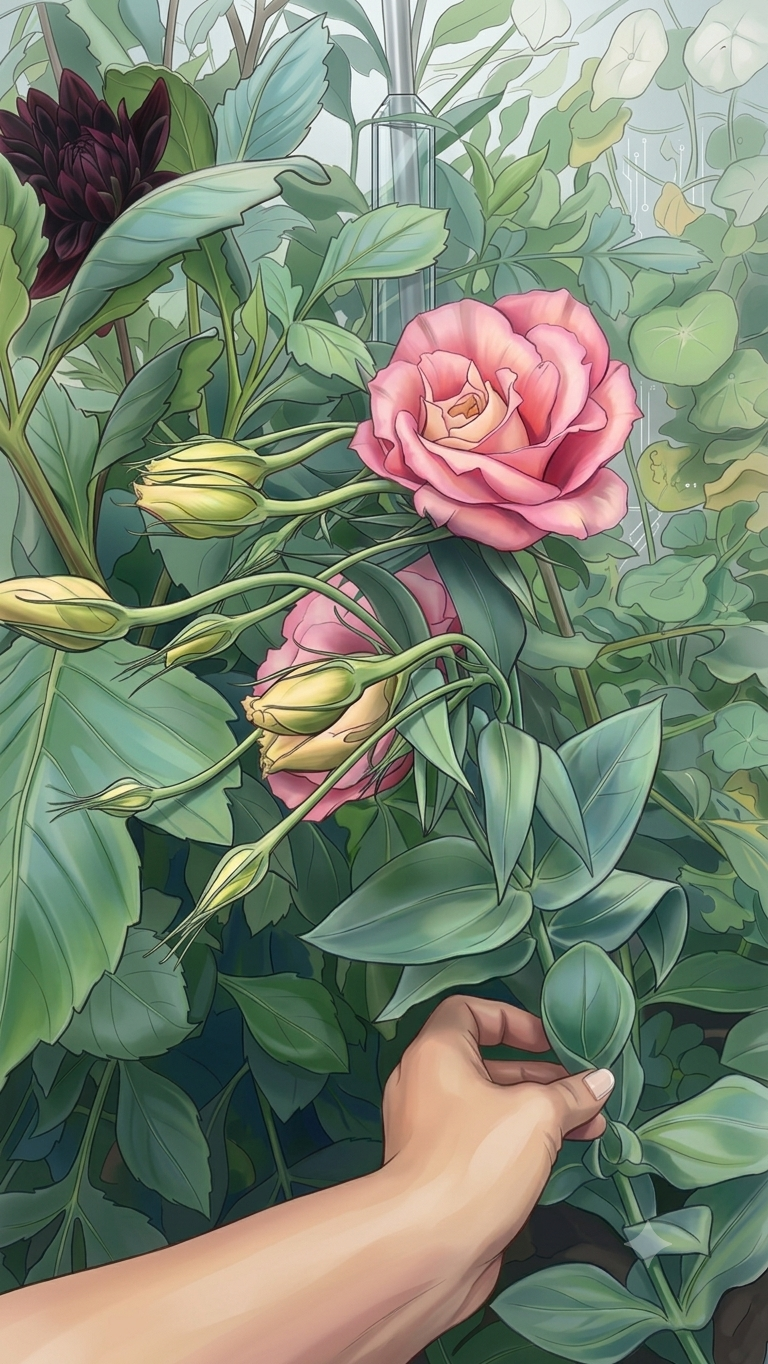
The second is refusing to hedge it. Keeping a bet on the roadmap is not the same as committing to it, and in the garden the difference is called debudding. You go down the stem and remove every side bud — each one a real flower the plant would have produced — so everything it has flows into a single bloom. It feels wasteful. It is also the only way to get the bloom worth photographing.
Most teams do the opposite. They keep the heroic bet listed, fund it alongside every side project, staff it with fractions of people, and then read its ordinary results as proof the bet was wrong. The bet was fine. It was never allowed to be the only bloom on the stem.
The reason teams do not cut is that cutting requires authority and disappoints people who had good reasons for the bud you just removed. This is the best argument for having a strategy at all: a strategy is what lets you say no without relitigating it every time. Without one, every cut is a personal preference someone can appeal.
Velocity is easy to measure. Lisianthus is not. That is most of why it is worth growing.
When to Cut Flowers
Everything above argues for the garden, which makes it a half-argument, and the half that is easy to write.
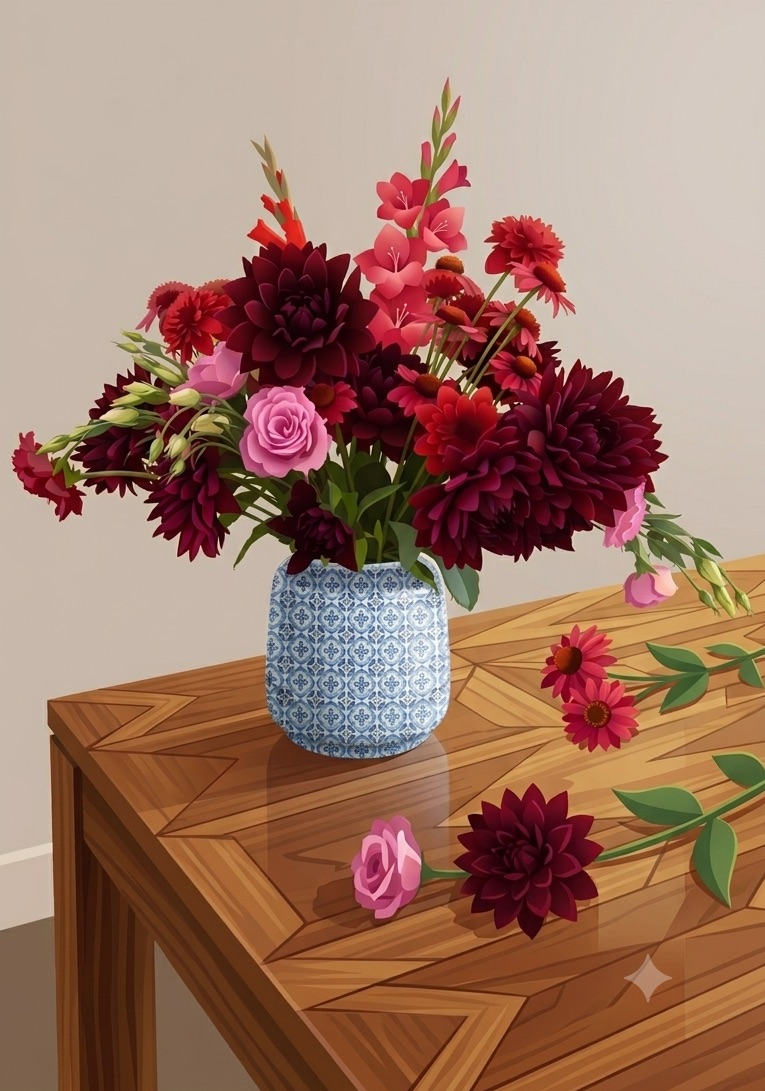
I cut flowers constantly. I cut them when someone is coming over, when I want the kitchen to look a particular way, when the season is peaking and the peak is the point. Cutting is not a failure of gardening. It is one of the reasons to garden.
I also cut them at work. A product my previous company launched a few weeks ago started as a prototype I vibe coded myself — I used it to show feasibility inside the proposal and to put something real in front of customers before we committed serious investment. Then we launched the first version without most of the bells and whistles, because the value of shipping it incomplete was clearly higher than the value of not shipping it at all. Both of those were bouquets. Both were the right call.
You cut flowers to raise a round, because capital arrives on arranged moments and not on maintenance logs. You cut them to hold a competitive window, because being second with a better system is still being second. You cut them for a team that has shipped nothing visible in eight months and is starting to wonder whether the work matters. A leader who refuses to produce them on principle is not principled. They are unhelpful.
The judgment is not preferring one mode. It is knowing which the moment requires, and pricing it honestly — because cutting always costs the plant something. Every stem you take is a stem the plant does not get to keep. Cut lightly and the garden barely notices. Cut hard, repeatedly, at the wrong point in the season, and you get a plant that stops producing entirely — it spent everything on the last arrangement and has nothing staged for the next one. That is what an organization looks like after three consecutive quarters engineered around demos: a full trophy case and no system underneath it, staffed by people who have learned that only the cutting gets rewarded.
So the questions worth asking in the room are not about the artifact. They are: what is this cut costing us, when does the plant recover, and what have we scheduled that lets it? If nobody can answer the third one, you are not making a trade. You are harvesting.
Cut flowers convince. Gardens deliver.
Most companies are staffed, funded, and promoted for bouquets — which is exactly why somebody in the room has to be counting stems.
The Strip Nobody Wanted
There is a piece of land just outside my fence, on the border between my house and my neighbor's. It has no water. It has no shade, ever. Cars pass close enough to matter, and every so often a trash truck would leave some of its load there. I disliked that strip from the day we moved in, and I ignored it for years.
When I finally took it on, I did not start with plants. I started with two lists: what I wanted the strip to become, and what I refused to do to get there. No water line. No irrigation to maintain. Nothing needing shade that did not exist or protection from cars that would not stop coming. The vision was non-negotiable and so were the constraints, and the strategy was whatever survived both lists.
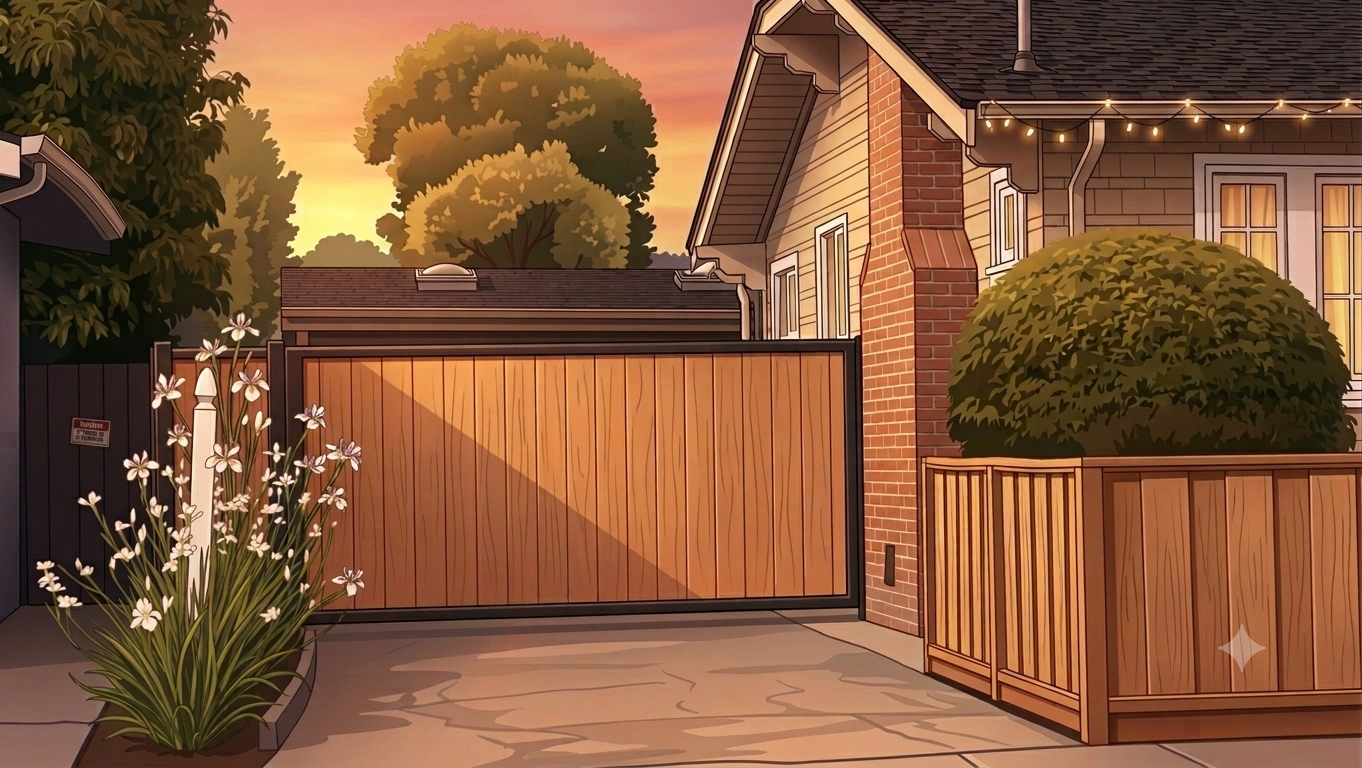
The answer was African Iris — evergreen, architectural, nearly indestructible, asking for almost nothing, which was precisely the specification. Not what would look spectacular in June; what would still be alive in five years without me. Two years later that strip is a lush entryway, and the part of the property I resented is the part that adds to its price.
A vision with no constraints is a wish. Constraints with no vision are an excuse to do nothing.
And the best market is often the one everyone dislikes for good reasons. No water, no shade, trash on the ground — every reason not to plant there was real. The reasons are why it was still available.
| Bouquet thinking | Garden thinking |
|---|---|
| Assembled | Kept |
| Admired once | Accrues daily |
| Optimizes the reveal | Optimizes the season |
| Looks finished | Is never finished |
| Necessary | Not optional |
The failure mode is not choosing the wrong one. It is not knowing which one you chose.
I still cut flowers. I will cut more this week. But I know what each stem costs and what is staged to replace it, and that is the whole difference — not between people who arrange and people who grow, but between people who know which one they are doing and people who have confused the two.
Vision without execution is a dream. Execution without vision is a jungle. The strip outside my fence needed the first. The rainy spring taught me the second. Strategy is refusing to choose between them, every week, for years — while a seventy-pound dog watches from the porch, planning.